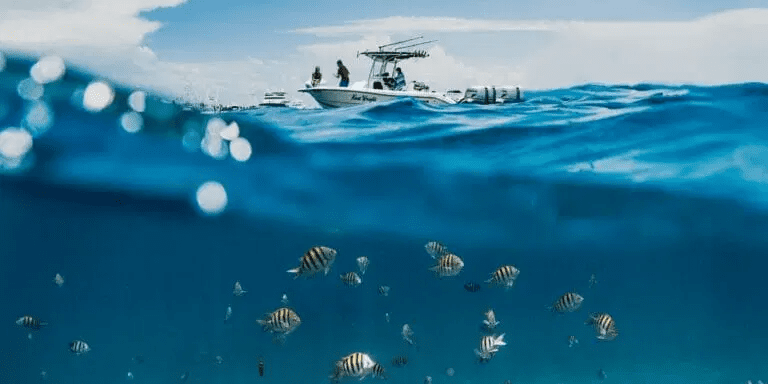
Last week, the European Commission’s Sustainable Transport Investment Plan (STIP) included recreational boating for the first time — a strong signal that our sector is recognised as part of the wider sustainability transformation. The plan aims to accelerate renewable and low-carbon fuels and the infrastructure that enables them, across aviation, waterborne transport and now leisure craft as well. Mobility and Transport
Why it matters
Europe’s European Boating Industry (EBI) has welcomed this move and, importantly, the technology-neutral pathway it sets out. Rather than backing a single solution, the plan recognises a mix of:
- Electric and hybrid propulsion
- Sustainable liquid fuels and e-fuels
- Supporting infrastructure and certification frameworks
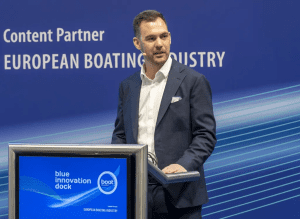
As EBI Secretary-General Philip Easthill puts it:
“For the first time, recreational boating is part of the EU’s waterborne decarbonisation strategy.” Marine Industry News+1
That realism matters for a diverse fleet. From small dayboats and tenders to larger motor yachts, there is no one-size-fits-all technology. A flexible framework gives the industry room to innovate while still aligning with long-term climate targets.
The reality for recreational boaters
Transitioning dayboats, planing hulls and larger cruisers will not happen overnight.
Analysts and trade coverage keep pointing to the same three bottlenecks:
- Cost of new fuels and technology – Low-carbon fuels and electric systems are still more expensive than conventional options, especially for smaller private owners.
- Limited supply and availability – Production volumes for sustainable fuels are ramping up, but supply is still prioritised for aviation and heavy transport.
- Infrastructure gaps at marinas – Many marinas are not yet equipped with the grid capacity, charging solutions or fuel handling systems required for widespread low-carbon adoption.
Without stronger demand signals, clear incentives and supportive infrastructure, early adoption in the recreational segment will remain gradual rather than rapid.
Put simply: the ambition is high, but the economic and infrastructure realities for private boat owners, marinas, and small operators are very different from those of airlines or major shipping lines.
A Singapore perspective
In Singapore, the Maritime and Port Authority of Singapore (MPA) is advancing cleaner energy pathways—particularly for commercial craft—through funding schemes, pilots and its broader decarbonisation blueprint. These efforts include work on alternative fuels, electrification pilots, and infrastructure planning in and around the port.
As these programmes evolve, the knowledge gained on infrastructure, safety standards and operational practices can also inform the recreational boating space over time. The direction of travel is clearly towards cleaner propulsion, but given the smaller fleet, different usage patterns, and cost structures, timelines and pathways for recreational boaters will naturally differ from those for commercial operators.
The dialogue already happening between bodies such as MPA and the Singapore Boating Industry Association (SBIA)—including around the feasibility of electric craft and sustainable fuels for leisure boating—will be essential for shaping a realistic, regionally appropriate roadmap.
An aviation lens
Before moving into maritime, I spent years in aviation leadership and have been an active advocate for sustainable aviation — from sustainable aviation fuel (SAF) policy and certification to technology trials and operational measures.
- Multiple pathways beat single-track bets
In aviation, sustainable aviation fuels and future e-fuels complement efficiency improvements and potential new propulsion technologies. In boating, electric and hybrid systems fit shorter ranges and smaller craft, while drop-in renewable fuels may be more suitable for high-speed, long-range and existing fleets in the medium term. - Infrastructure first unlocks adoption
In both sectors, adoption is limited not only by vehicles or vessels, but by the availability of fuelling and charging infrastructure, safety procedures and robust measurement/verification systems. - Phased, data-led targets help each segment move at the right pace
In aviation, different segments (short-haul, long-haul, cargo, regional) progress at different speeds. Recreational vs commercial boating, and even segments within recreational, need similarly phased, evidence-based pathways, recognising different use patterns and investment capacities. European Boating Industry
In aviation, structured dialogue between Europe and Singapore has proven valuable—exchanging insights on policy, certification, and infrastructure rollout. A similar, structured exchange for recreational boating—involving actors such as EBI, ICOMIA, SBIA, MPA and regional marinas—could accelerate learning on marina power upgrades, safe renewable fuel deployment, and targeted incentives that reflect smaller fleets and seasonal usage.
What would help—pragmatically
Bringing together the EU plan, EBI’s vision, and regional realities, a few practical levers stand out:
- Phased targets aligned to product maturity
- Encourage electric and hybrid solutions for short-range boats, tenders and water-toys today.
- Support sustainable liquid fuels where batteries are not yet practical, especially for existing high-speed and longer-range craft—mirroring the STIP’s acknowledgement that recreational craft may progressively shift to renewable drop-in fuels over time.
- Marina-centric investments
- Upgrade power capacity and managed charging at marinas.
- Develop safe bunkering and handling for renewable marine fuels.
- Implement digital tools and certification frameworks to ensure traceability and credible emissions accounting.
- Owner incentives and pilot projects
- Incentivise retrofits and efficiency upgrades (propulsion, hull, onboard energy systems).
- Support demonstration projects and events that let owners test electric craft, e-SUPs, and new fuels in real-world conditions.
- Make sure funding programmes and green-finance tools are accessible not just to large shipping operators but also to marinas, SMEs and recreational fleets—reflecting EBI’s call for targeted support to marinas and circular solutions for boats.
The STIP foresees around €2.9 billion in EU support by 2027, aiming to leverage roughly €100 billion in total investment by 2035 for sustainable fuels and infrastructure across aviation and waterborne transport. Ensuring that recreational boating and marinas can access a share of this ecosystem will be key to turning ambition into reality. Mobility and Transport+1
Our approach at La Marca Marine
At La Marca Marine, we are focusing on what is possible and meaningful today:
- Bringing electric water-toys and e-SUPs—such as Seabob, Sublue and SipaBoards—to owners and charter operators.
- Supporting customers with safe operational training and responsible use policies.
- Engaging with industry bodies and partners to explore practical pathways for lower-impact recreational boating in our region.
Our aim is to help ensure that recreational boaters have:
- Credible choices that fit their use-case and budget,
- Enabling infrastructure that makes those choices practical, and
- Time and support to transition in a responsible, sustainable way.
— Philipp Bonkatz, General Manager, La Marca Marine